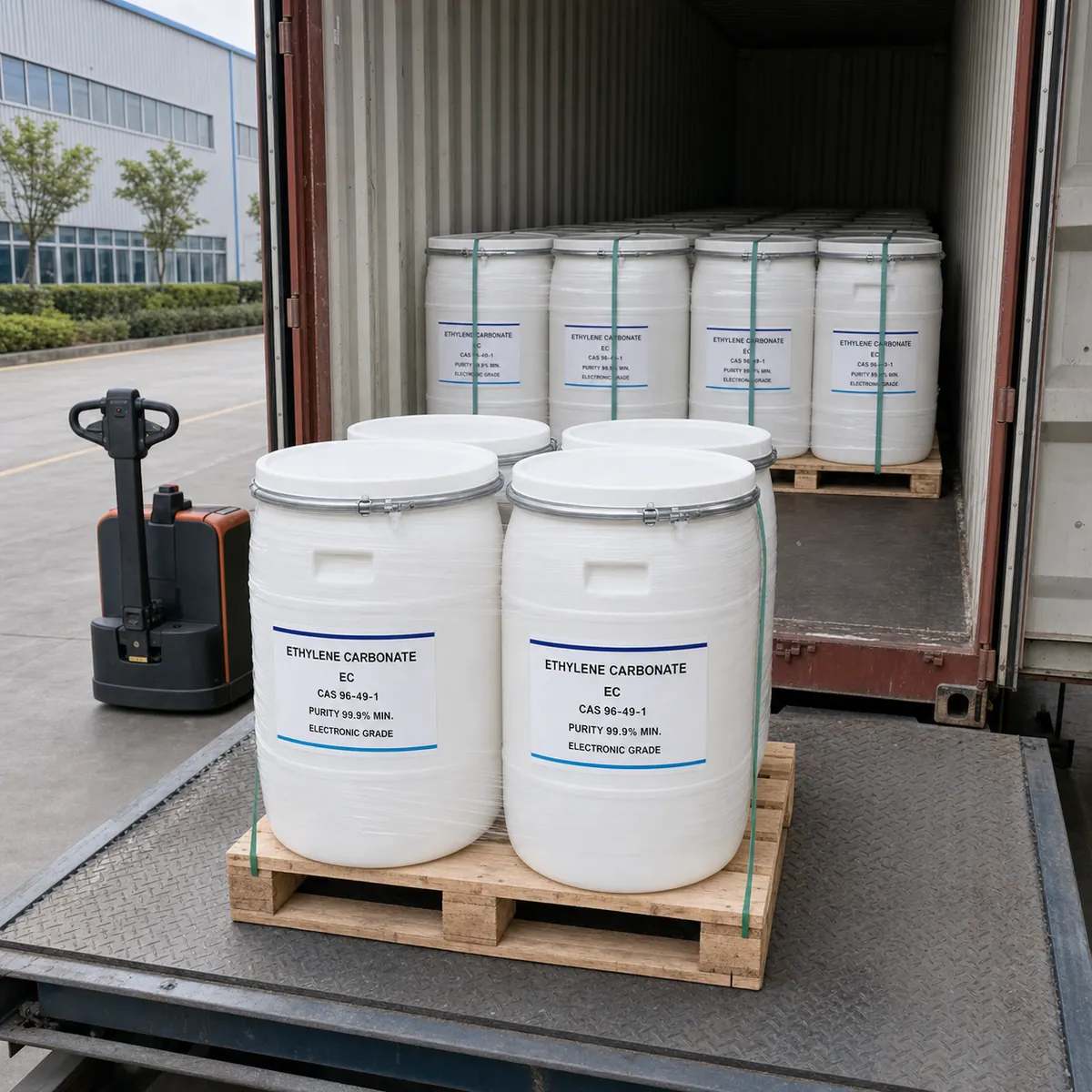
Export Packaging & Documentation
Xinchen ships industrial chemicals worldwide. Every export order is prepared with batch-specific quality documents and UN-approved packaging where required.
Available Packaging
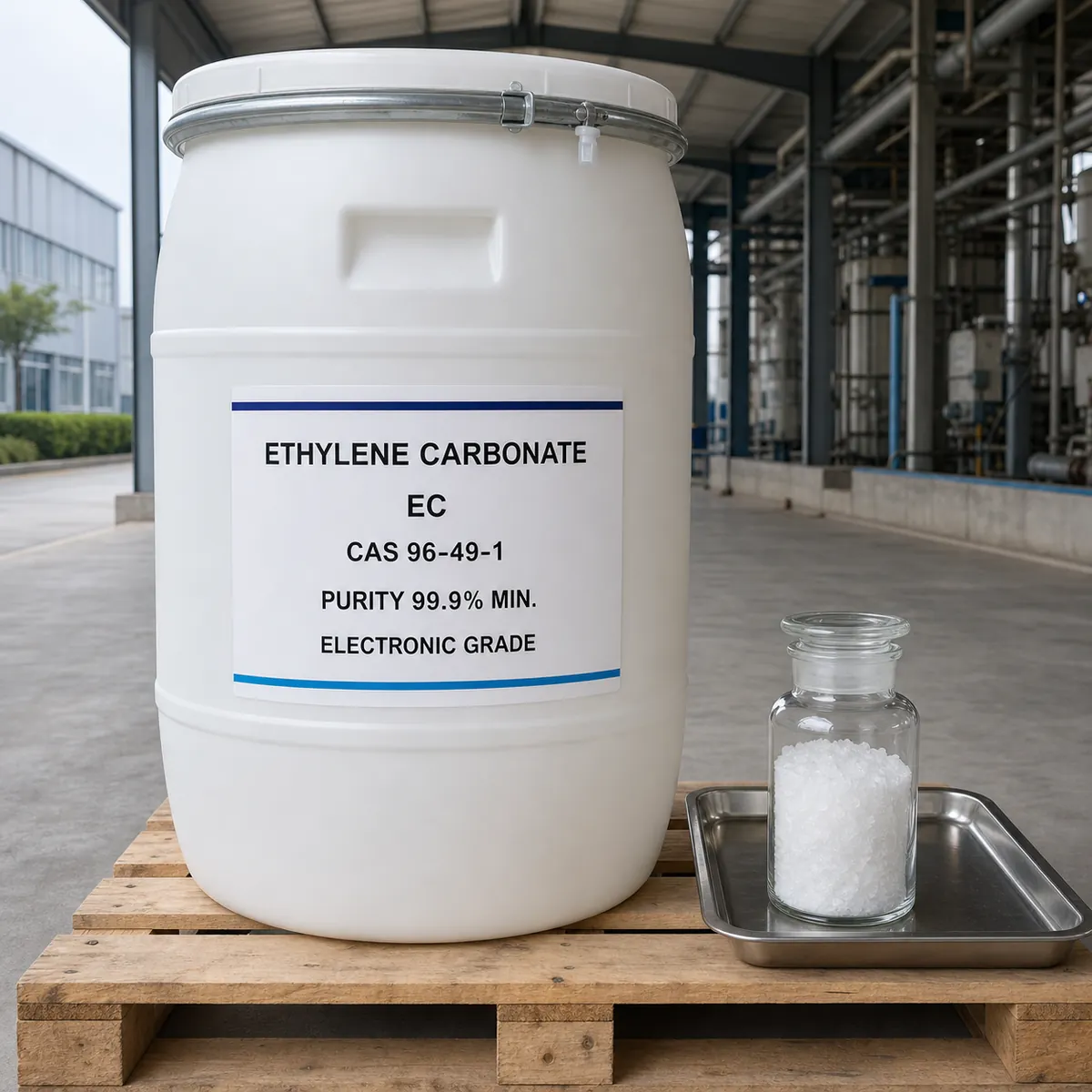
| Solid / Powder | 25 kg fiber drum with PE liner, ~180 kg/pallet; 100–1000 kg bulk bags on request. |
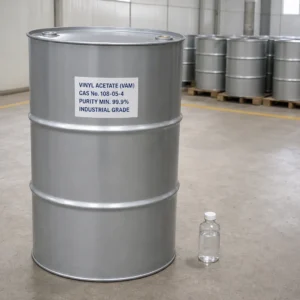
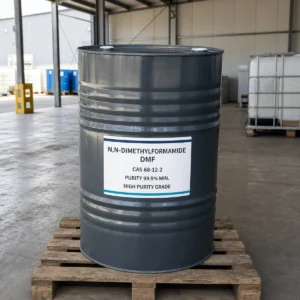
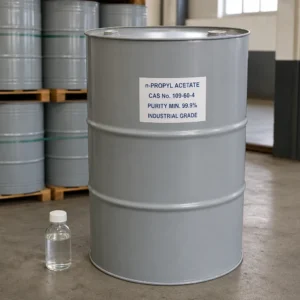
| Liquid / Solution | 200 L NTC-lined steel drum (~180–220 kg net); 1000 L IBC totes; ISO tank containers on request. |
| Dangerous Goods | UN-approved packaging, palletized and shrink-wrapped; nitrogen blanketing for moisture-sensitive grades. |
Documents Provided
✓ Batch COA (Certificate of Analysis)
✓ SDS / MSDS
✓ TDS (Technical Data Sheet)
✓ Packing List & Commercial Invoice
✓ Bill of Lading / AWB
✓ Certificate of Origin (on request)
✓ DG Declaration (IMDG / IATA / ADR)
✓ Export customs paperwork
Trade Terms
EXW · FOB Qingdao · CIF · CFR · DAP. Container booking, vessel/truck coordination and loading supervision arranged for repeat buyers.
Send product name, CAS number, required purity / grade, quantity, destination port and preferred trade term for a firm quotation within one business day.
Technical articles and buyer guidance
- Ethylene Carbonate EC CAS 96-49-1 Procurement Risks and Buyer Decision Checklist
- Ethylene Carbonate EC CAS 96-49-1 FAQ: Uses, Quality Checks and Documents
- Ethylene Carbonate EC CAS 96-49-1 Storage, Handling and Packaging Notes
- Ethylene Carbonate EC CAS 96-49-1 Compared With Related Industrial Chemicals
- Ethylene Carbonate EC CAS 96-49-1 Quality Factors, Purity and Performance Notes
- Ethylene Carbonate EC CAS 96-49-1 Applications and Industrial Use Cases